
AI for Florists: 6 Ways to Work Smarter in Your Flower Shop
Discover how AI can simplify daily tasks, strengthen your marketing, and free up more time for the creative, personal work that makes your shop special.
 Running a flower shop means juggling hundreds of daily decisions—from managing inventory and scheduling designers to writing social media posts and preparing for holidays.
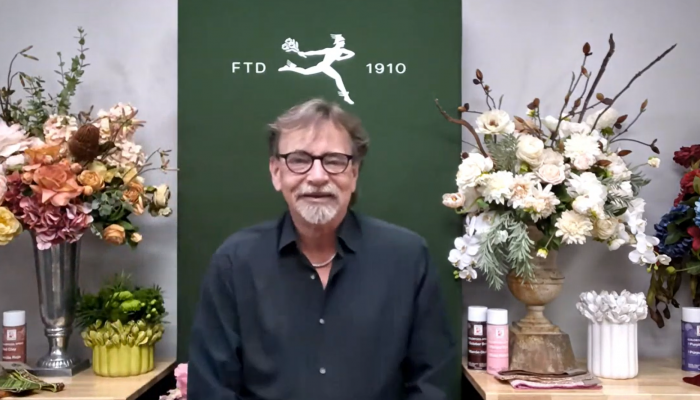
Artificial intelligence (AI) can help lighten that load. In FTD’s AI Basics for Busy Florists webinar, Cameron Pappas of Norton’s Florist, Events & Gift Baskets in Birmingham, Alabama, shares practical ways to use AI to save time and simplify everyday business tasks.
His message? AI isn’t about replacing florists. It’s about freeing them up to be florists.
Here are six ways to put AI to work in your shop.
1. Write Better Product Descriptions

AI can help you overcome the blank-page problem by drafting website descriptions for arrangements, seasonal collections, sympathy offerings, and gift bundles.
Provide the flowers, container, occasion, and desired tone. AI can turn those details into a starting draft that you refine to reflect your shop’s personality.
Try this: Ask AI to write a warm, 75-word description for an arrangement on your website. Review it for accuracy, make sure it reflects your shop’s voice, and add the personal touches that set your business apart.
2. Simplify Social Media Planning
Consistent social media keeps your shop visible, but generating fresh content takes time. AI can create monthly content calendars, suggest captions, and brainstorm ideas for Facebook, Instagram, and TikTok.
Request a mix of product highlights, behind-the-scenes videos, flower-care tips, staff features, and community involvement. Specify your audience and brand voice to make the results more relevant.
Try this: Generate 10 social media ideas for the coming month. Schedule three favorites and save the rest for later. You’ll build a useful content library without having to start from scratch every time you post.
3. Organize Holiday Production
Valentine’s Day, Mother’s Day, and Christmas require careful coordination of staffing, inventory, production, and deliveries.
AI can help turn your forecasts into preliminary production schedules. Share your anticipated order volume, product mix, staffing levels, and production capacity, then ask for an hour-by-hour plan with priorities and order cutoffs.
You can also use it to simplify holiday website offerings, brainstorm products that are efficient to produce, and draft customer communications about ordering deadlines.
Try this: Use AI to organize your existing holiday forecasts into a draft production schedule. Check the recommendations against your team’s actual capacity before putting the plan into action. Your experience and judgment should guide the final plan.
4. Improve Customer Communications
When a delivery is late or a customer is unhappy, finding the right words can be difficult. AI can draft calm, professional responses for complaints, refund requests, sympathy communications, and wedding inquiries.
Specify the situation and the tone you want—warm, sincere, and empathetic rather than corporate.
Try this: Ask AI to draft an apology for a late delivery that acknowledges the mistake and offers to make things right. Personalize the message before sending it. AI can help you find the words, but genuine empathy, sound judgment, and the decision about how to resolve the situation must come from you.
5. Create Procedures and Training Materials
 If important processes exist only in your head, training and delegation become challenging. AI can help turn your knowledge into standard operating procedures (SOPs), checklists, onboarding guides, and role descriptions.
For example, outline your fulfillment process—from assigning orders to completing quality checks—and ask AI to organize it into clear, numbered steps.
Try this: Choose one recurring task and document how it should be done. Review the result to ensure it reflects your shop’s actual procedures. Clear documentation sets consistent expectations, supports accountability, and makes it easier to delegate responsibilities.
6. Strengthen Hiring and Leadership
AI can help you prepare job descriptions, interview questions, employee training plans, and performance scorecards. Specify the responsibilities and measurable criteria that matter most to your business.
For a customer service position, you might define expectations for order accuracy, product knowledge, communication, and problem resolution. Documenting these expectations helps establish a clearer foundation for training and feedback.
Try this: Ask AI to draft a job description and measurable performance expectations for an open position. Customize both to fit your business, but don’t let AI make hiring or personnel decisions for you.
Get Better Results With the 4-Part Prompt Formula
The quality of AI’s response depends largely on the instructions you provide. Cameron recommends including four elements in every prompt:
- Who you are: Identify your role and business.
- What you need: State the task clearly.
- Context: Provide relevant details and constraints.
- Tone and style: Explain how the response should sound and be formatted.
For example, instead of asking, “Write a social media post,” try:
“I own a retail flower shop. Write a Facebook post promoting summer flowers for busy moms. Keep it friendly and conversational, not salesy, under 100 words, and end with a gentle invitation to order.”
The takeaway: Specific instructions produce more useful, personalized results—and less editing.
Use AI Wisely—and Keep the Human Touch
AI is a helpful assistant, but it still needs your judgment. Cameron emphasizes four essential rules:
- Protect privacy: Never enter private customer information or sensitive employee data.
- Verify the output: Check facts and details before publishing or sending anything.
- Keep decisions human: Use AI to explore options, not make business or personnel decisions for you.
- Make it your own: Review every response to ensure it reflects your shop’s voice, values, and standards.
AI should support your expertise, not replace it.

Start Small and Work Smarter
You don’t need to overhaul your business to benefit from AI. Start with one task: write a product description, generate social media ideas, or draft a difficult email. Review the results, make them your own, and see where AI saves you time.
As you grow more comfortable, explore additional uses in planning, operations, training, and leadership. The goal isn’t to use AI for everything. It’s to find the repetitive or time-consuming tasks where it can make your workday easier.
AI doesn’t replace the human touch. It helps protect the people delivering it.
🎥Watch the Webinar Recording
Ready to explore practical ways to use AI in your flower shop? Watch Cameron Pappas’s AI Basics for Busy Florists webinar for more examples, sample prompts, and ideas you can put into practice.
Watch the webinar recording and discover how AI can help you work smarter in your flower shop.
0